
Blogs
Home
Waterproofing in Pakistan: Methods, Materials, Costs & Benefits
Waterproofing in Pakistan: Methods, Materials, Costs & Benefits
Admin
October 16, 2026
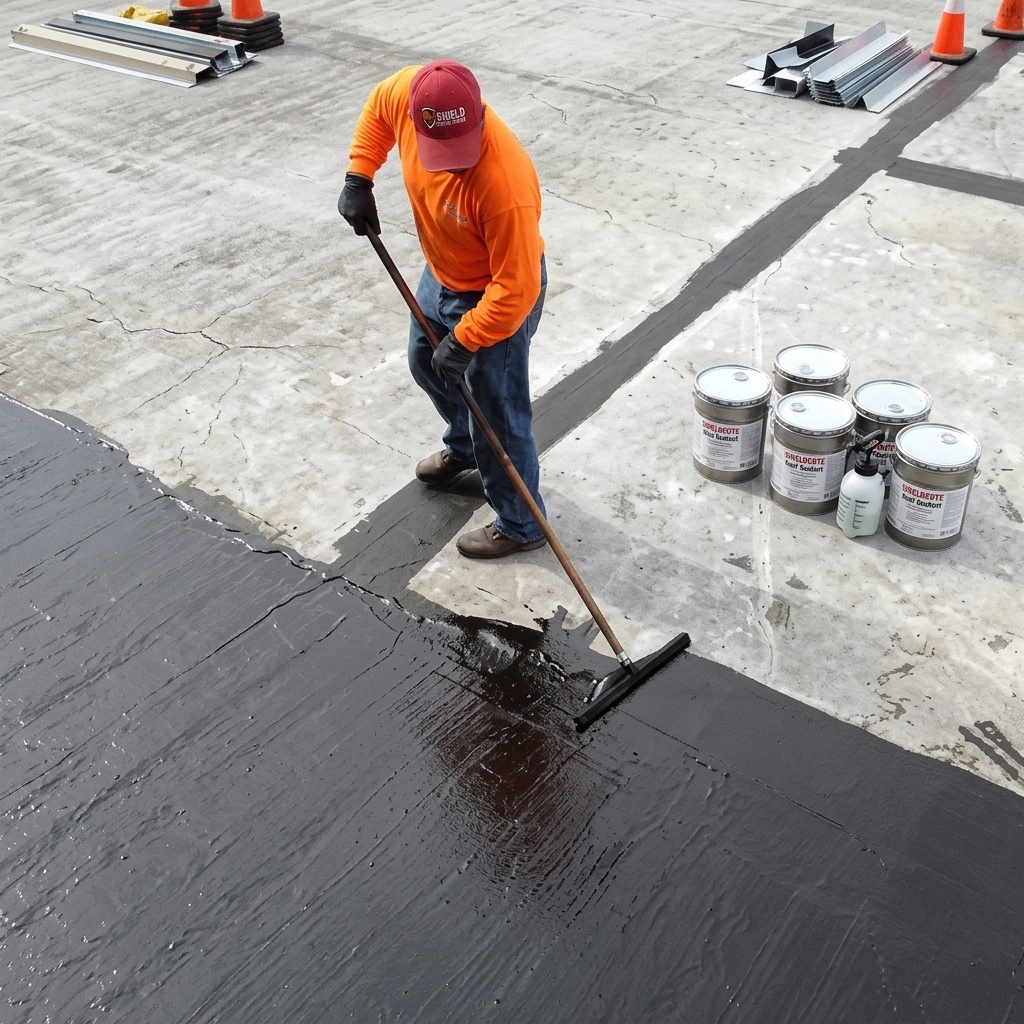
Waterproofing is essential for protecting residential, commercial, and industrial buildings from water damage. In Pakistan, monsoon rains, extreme temperatures, plumbing leaks, concrete cracks, damaged surfaces, and defective construction joints can cause roof leakage, damp walls, and structural deterioration. Professional waterproofing helps protect roofs, basements, foundations, bathrooms, and other vulnerable areas while reducing costly repairs.
OmniPrime Construction provides professional waterproofing, heat insulation, flooring solutions and construction chemicals services. This guide explores waterproofing methods, materials, applications, and expert solutions to help property owners protect their buildings across Pakistan.
1. What Is Waterproofing?
Waterproofing is the process of protecting buildings from water leakage, seepage, and moisture damage using special coatings, membranes, and other protective materials. It helps prevent water from entering roofs, walls, basements, bathrooms, and foundations.
In Pakistan, waterproofing is essential for protecting buildings from monsoon rains, roof leakage, damp walls, and concrete damage. Whether you are waterproofing a new house or repairing an existing building, choosing the right waterproofing method helps prevent recurring leakage, protect your property, and reduce repair costs.
2. Why Is Waterproofing Important in Pakistan?
Buildings across Pakistan experience different environmental conditions. Northern and northwestern areas can experience heavy rainfall and seasonal weather changes, while many cities experience prolonged summer heat. Urban drainage problems, plumbing defects, and groundwater exposure can also contribute to moisture-related damage.
Here are the main reasons waterproofing deserves attention:
- Protection Against Monsoon Rainfall
- Prevention of Damp Walls and Ceiling Leakage
- Protection of Concrete and Reinforcement
- Reduced Maintenance Costs
- Improved Building Durability
3. Types of Waterproofing for Buildings in Pakistan
Waterproofing is not limited to rooftops. Different parts of a building may require different systems depending on their exposure to water, construction materials, and intended use.
Roof Waterproofing
Roof waterproofing helps prevent water from penetrating the roof slab and entering the building.
Flat concrete roofs are common in Pakistan and can be easily exposed to water accumulation, surface cracking, deteriorated joints, and inadequate drainage. Common roof waterproofing options include:
- Liquid-applied waterproofing membranes.
- Bituminous waterproofing membranes.
- Crystalline Cementitious waterproofing coatings.
- Polyurethane waterproofing systems.
The appropriate method depends on the existing roof condition, drainage arrangements, exposure to sunlight, expected movement, and compatibility with the substrate.
Before application, the roof should be inspected for cracks, loose material, defective joints, standing water, and drainage problems.
Basement Waterproofing
Basements are particularly vulnerable to moisture because their walls and floors are in contact with the surrounding ground.
Groundwater, water pressure, poor drainage, and weak construction joints can allow water to seep into basements and underground areas.
Basement waterproofing may involve:
- External waterproofing membranes.
- Protective coatings and drainage layers.
- Waterproofing admixtures in suitable concrete systems.
- Construction-joint and crack treatment.
- Internal injection systems for appropriate leakage conditions.
For new construction, external waterproofing is often easier to install before the surrounding soil is backfilled.
For existing basements, the correct approach depends on the source of water and whether the structure experiences groundwater pressure. Applying an interior coating without addressing the underlying problem may not provide a lasting solution.
Bathroom and Kitchen Waterproofing
Bathrooms, shower areas, kitchens, and utility rooms are frequently exposed to water.
Leaks can travel through floor slabs, pipe penetrations, tile joints, and wall-to-floor junctions, damaging rooms below or adjacent areas.
Effective wet-area waterproofing may include:
- Applying a compatible membrane beneath the tiles.
- Sealing pipe penetrations and drainage connections.
- Treating corners and wall-floor junctions.
- Ensuring appropriate floor slopes toward drainage outlets.
- Testing the waterproofing system before covering it with tiles.
Waterproofing should generally be completed and inspected before tiling, in accordance with the selected system’s installation instructions.
Tile grout and decorative finishes alone should not be treated as a complete waterproofing system.
Foundation Waterproofing
Foundations are essential to the stability and durability of a building. Depending on soil conditions and groundwater exposure, moisture can enter through foundation walls, construction joints, and the interfaces between structural elements.
Foundation waterproofing may involve:
- Suitable external membranes.
- Damp-proof courses (DPC).
- Waterproofing admixtures.
- Joint sealants.
- Protective layers.
- Appropriate drainage and moisture-control measures.
Foundation waterproofing is particularly important during new construction because access becomes difficult once the surrounding areas are covered.
The system should be selected according to soil conditions, groundwater levels, structural design, and the intended use of the building.
Wall Waterproofing and Dampness Treatment
Damp walls can result from several different problems, including rainwater penetration, plumbing leaks, rising damp, defective exterior finishes, and condensation.
Common symptoms include peeling paint, bubbling plaster, white salt deposits, damp patches, and recurring discoloration.
Possible solutions include:
- Repairing cracks in exterior walls.
- Improving window and door sealing.
- Applying compatible exterior waterproofing treatments.
- Repairing plumbing leaks.
- Installing or repairing damp-proof courses where appropriate.
- Improving ventilation where condensation is contributing to the problem.
It is important to identify the actual source of moisture before selecting a treatment. Covering damp walls with paint without resolving the underlying cause may only provide temporary cosmetic improvement.
Water Tank Waterproofing
Water tanks need proper waterproofing to prevent water leakage and protect their structure. Concrete underground tanks, overhead water tanks, and other storage tanks can develop leaks due to cracks, weak joints, or damaged surfaces.
Water tank waterproofing may involve:
- Repairing suitable cracks and joints.
- Applying compatible cementitious or other specified waterproofing systems.
- Treating pipe penetrations and inlet or outlet connections.
- Inspecting the tank structure and surface condition.
For tanks storing drinking water, materials must be specifically suitable for potable-water contact and used according to the manufacturer’s requirements.
The system should be properly cured and tested before the tank returns to service.
Swimming Pool and Water Feature Waterproofing
Swimming pools and decorative water features need proper waterproofing to prevent leaks caused by water pressure, cracks, and damaged surfaces.
Potential leakage points include construction joints, pipe penetrations, corners, and interfaces between different materials.
Waterproofing may involve compatible membranes, joint treatment, substrate preparation, and appropriate testing before decorative finishes are installed.
The design must account for water pressure, structural movement, and compatibility with the pool’s finishing system.
Balcony, Terrace, and Open-Space Waterproofing
Balconies, terraces, exposed walkways, and other outdoor surfaces are exposed to rain, sunlight, and temperature changes.
Water can penetrate through cracked finishes, poorly sealed joints, and inadequate drainage details.
A suitable waterproofing system should consider:
- Surface preparation.
- Waterproofing at corners and junctions.
- Door thresholds and wall interfaces.
- Drainage outlets.
- Compatibility with tiles or other finishes.
- Protection against expected weather exposure.
Proper drainage is essential because waterproofing alone cannot compensate for every design or drainage defect.
4. Common Waterproofing Materials Used in Pakistan
Several waterproofing materials are available for residential, commercial, and industrial applications. Each has specific advantages and limitations.
Bituminous Membranes
Bituminous membranes are waterproof sheets used on roofs, foundations, and other parts of buildings to prevent water leakage.
They provide effective protection when the surface is properly prepared and all joints and overlapping sheets are sealed correctly.
Their performance depends on the material quality, weather conditions, and installation method.
Liquid Waterproofing Membranes
Liquid-applied membranes are applied to prepared surfaces and form a continuous protective layer after curing.
Depending on the product, they may be suitable for roofs, terraces, bathrooms, and other areas.
Correct application thickness, curing, reinforcement at critical details, and substrate preparation are important for performance.
Cementitious and Crystalline Cementitious Waterproofing
Cementitious waterproofing is commonly used on concrete and masonry surfaces in washrooms, basements, roofs, and water tanks. It forms a protective layer that helps prevent water leakage.
Crystalline cementitious waterproofing works by forming crystals inside the concrete pores and tiny cracks, helping block water penetration. It is commonly used in basements, foundations, and concrete water tanks.
Both methods help protect buildings from water damage. The right choice depends on the application area, surface condition, and level of water exposure.
Polyurethane Waterproofing Systems
Polyurethane (PU) waterproofing forms a flexible, seamless layer that protects roofs from water leakage and minor surface movement. It is suitable for Pakistani roofs exposed to heavy monsoon rains and extreme summer temperatures.
PU waterproofing also offers heat-resistance benefits, and certain heat-reflective formulations can help reduce roof surface temperatures and keep indoor spaces cooler during summer. Proper surface preparation and application ensure better performance and long-lasting protection.
Waterproofing Admixtures
Waterproofing admixtures are incorporated into concrete or cement-based materials according to the product specification.
They may help reduce water penetration in suitable applications but do not eliminate the need for correctly designed joints, crack control, curing, and appropriate construction practices.
Sealants and Injection Materials
Specialized sealants can be used at compatible joints and penetrations. Injection materials may be suitable for treating certain cracks and active leakage paths.
The correct product depends on the crack type, water pressure, movement, substrate condition, and the cause of the leakage.
Important: No single waterproofing material is ideal for every application. Material selection should be based on the specific problem, the building’s condition, and the requirements of the complete waterproofing system.
5. How to Choose the Right Waterproofing Solution
Selecting a waterproofing method solely because it is inexpensive or widely advertised can lead to unsuitable results.
Before choosing a solution, consider the following factors.
- Identify the Source of Water
- Inspect the Surface
- Consider the Location
- Check Product Compatibility
- Evaluate Workmanship and Maintenance
6. Waterproofing Problems Property Owners Should Not Ignore
Early signs of moisture damage can indicate a problem that requires investigation.
Watch for:
- Water dripping from ceilings.
- Damp or discolored walls.
- Peeling paint and blistered finishes.
- White salt deposits on masonry.
- Cracks around windows and roof junctions.
- Water accumulating on roofs or terraces.
- Dampness in basements.
- Leakage around bathroom drains and plumbing connections.
- Moisture around water tanks.
These symptoms do not always identify the source of the problem. A proper inspection can help determine whether waterproofing, plumbing repairs, drainage improvements, crack treatment, or a combination of measures is needed.
7. Waterproofing Services in Major Cities of Pakistan
Waterproofing requirements vary according to local rainfall, building design, soil conditions, drainage, and construction practices.
OmniPrime Construction aims to serve customers seeking specialized construction and waterproofing solutions in the following areas.
- Waterproofing in Peshawar
- Waterproofing in Islamabad and Rawalpindi
- Waterproofing in Lahore
- Waterproofing in Faisalabad, Multan, and Other Cities
- Waterproofing in Nowshera, Mardan, Haripur, Kohat, Bannu, and Lakki Marwat
Residential, industrial, and commercial buildings throughout Pakistan may benefit from properly designed waterproofing systems.
Property owners should select solutions according to the building’s requirements rather than assuming that the same method is suitable everywhere.
8. Why Choose OmniPrime Construction for Waterproofing Solutions?
Choosing a waterproofing contractor involves more than comparing material prices. The quality of inspection, preparation, material selection, application, and final testing all influence the performance of the system.
OmniPrime Construction provides specialized construction solutions, including waterproofing, heat insulation, and flooring systems.
Our approach emphasizes the following principles:
- Understanding the Problem
- Selecting Suitable Materials
- Paying Attention to Preparation
- Treating Critical Details
- Focusing on Workmanship
- Supporting Informed Decisions
9. Conclusion: Protect Your Property with the Right Waterproofing Solution
Waterproofing protects buildings from roof leakage, damp walls, basement seepage, and moisture damage. Choosing the right materials and ensuring proper installation can prevent costly repairs and improve building durability.
OmniPrime Construction provides professional waterproofing, heat insulation, flooring solutions and construction chemicals services. Contact our team to discuss your project and find the right solution for your needs.
OmniPrime Construction — Built to Endure, Trusted to Deliver.
Frequently Asked Questions About Waterproofing in Pakistan
1. What is the best waterproofing method in Pakistan?
There is no single best method for every building. Liquid membranes, bituminous membranes, cementitious coatings, polyurethane systems, and other solutions each have appropriate applications. The best choice depends on the location, water exposure, substrate, and project requirements.
2. How much does waterproofing cost in Pakistan?
Waterproofing costs vary according to the area, surface condition, material, application method, accessibility, and repair requirements. A proper quotation should specify the work involved, materials, preparation, and any testing or finishing.
3. Can waterproofing stop wall seepage?
Waterproofing can help address wall seepage when the selected treatment matches the source of moisture. However, plumbing leaks, rising damp, exterior water penetration, and condensation require different approaches.
4. Is waterproofing necessary during new construction?
Waterproofing is important at vulnerable locations such as foundations, basements, bathrooms, terraces, roofs, and water tanks. Planning these measures during construction can make installation and inspection easier before finishes conceal the work.
5. How long does waterproofing last?
Service life depends on the material, installation quality, exposure, maintenance, and movement or cracking of the structure. Follow the manufacturer’s guidance and the contractor’s documented warranty terms rather than assuming that every system lasts for the same period.
6. Can waterproofing be applied over existing tiles?
Some products are suitable for certain existing tiled surfaces, but others require removal of the tiles or preparation of the underlying substrate. The correct approach depends on the condition of the tiles, joints, drainage, and the selected waterproofing system.
7. Does waterproofing also reduce indoor heat?
Some reflective roof coatings and specialized insulation systems can reduce solar heat gain. However, waterproofing and heat insulation are different functions. If both are required, choose a compatible system designed to address both needs.
8. When should I contact a waterproofing professional?
Consider a professional inspection when leakage returns after repairs, dampness spreads, water enters a basement, cracks appear around vulnerable joints, or moisture affects electrical installations or structural components. Avoid using affected electrical equipment and arrange qualified assistance where water creates a safety risk.
Need Professional Waterproofing Services in Pakistan?
Protect your property from water leakage, roof seepage, and moisture damage with the right waterproofing solution. Contact our team for expert guidance and a customized proposal tailored to your building's requirements.